
Opinion: Why Lifecycle Marketing Still Matters in an Ehrenberg-Bass World
If most buyers are light buyers and loyalty is a myth, what’s the point of lifecycle marketing? Turns out, the answer is surprisingly practical.

Recently, I finally decided to read a book that most marketers I respect and follow have repeatedly called one of the most fundamental works on the topic of evidence-based marketing. I think the book I have in mind will not be a surprise. It is How Brands Grow by Byron Sharp.
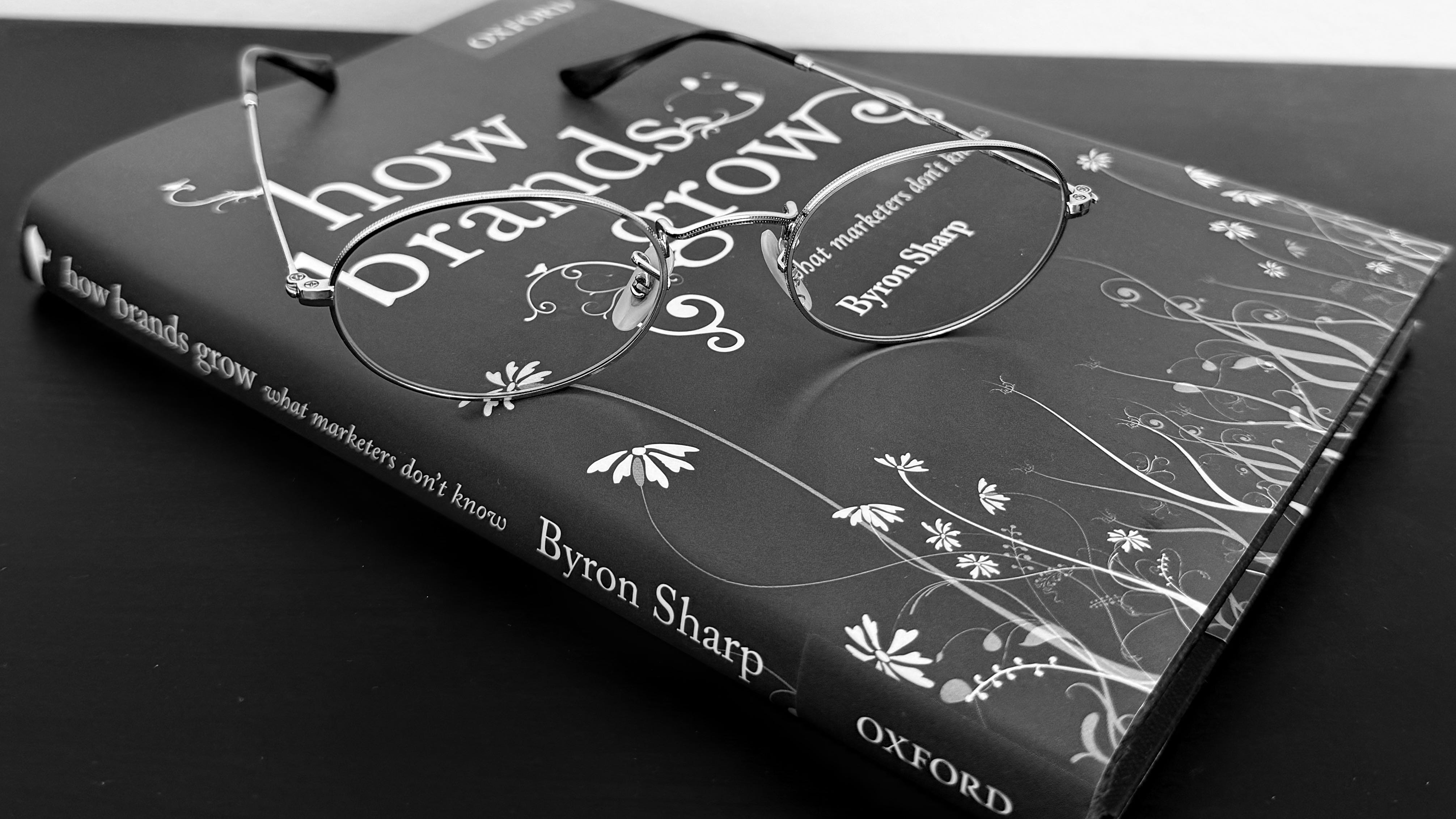
As someone working in the marketing operations space, reading it challenged several assumptions I didn’t even realise I was making. Terms like segmentation, retention, and loyalty, tools and concepts we use every day in our job, are not exactly portrayed in a positive light in this book. Naturally, it raised questions about the frameworks and tactics we use, and whether they're still relevant or even effective.
What I found is that when we dissect the concepts more precisely, the practices of lifecycle marketing do not contradict the Ehrenberg-Bass model, they extend and operationalise it.
📊 Segmentation: Strategic Context Matters
How brands grow criticizes acquisition-level segmentation, particularly when it’s based on abstract personas, psychographics, or narrow targeting that limits reach. In performance and brand marketing, that criticism holds. Segmenting down to "young urban creatives" or "eco-conscious Gen Z travellers" often means artificially restricting the addressable market, and by that reducing the space to grow.
But in lifecycle marketing, segmentation is behavioural and responsive, not demographic or ideological.
Example: Instead of targeting a segment because they fit a profile, we look at what users have actually done:
Purchased once but not again? Nudge them.
Browsed product X and dropped off? Follow up.
Churned after three months? Diagnose and intervene.
We don't segment to define who to reach. We segment to improve how we respond to those who have already interacted with the brand.
That’s not precision targeting. That’s conversion optimisation inside the funnel.
🛠️ Marketing Ops as a Margin-Enhancing Function
The book correctly emphasises that customer acquisition drives growth, and that most buyers are light, occasional purchasers. But this is precisely why lifecycle marketing exists:
Once you've paid to bring someone into the funnel - through media, organic content, or partnerships - it becomes a financial imperative to extract maximum value from that attention.
Note: Now - at a time when paid ads are becoming more and more expensive, it's absolutely crucial that your post-acquisition flows work flawlessly. There's no excuse for wasting paid leads on avoidable errors - like a broken welcome series, or an abandoned cart email that never triggers.
Lifecycle is not about forcing loyalty. It’s about:
Reducing drop-off
Reinforcing product value
Prompting the next logical action
This is operational hygiene, not emotional engraving.
🔁 Retention ≠ Emotional Loyalty
Another clear takeaway from Sharp's work: deep emotional loyalty is largely a myth. Most people are brand switchers, even in high-involvement categories. That applies even to cars, mattresses, and enterprise SaaS.
But that doesn’t mean we give up on retention - it just means we redefine what it looks like.
We’re not trying to get someone to love our product.
We’re making sure they understand what features they haven’t used.
We’re ensuring onboarding doesn’t stall.
In other words, retention is not a belief system, and it is certainly not a substitute for acquisition - it’s a system of support, a safeguard for the acquisition dollars already spent.
🧩 High AOV, Low Loyalty? Still Lifecycle-Ready
In high AOV categories: enterprise software, cars, financial services - Sharp's data shows brand loyalty is still surprisingly weak. But I think this doesn’t invalidate lifecycle efforts, I think it just reframes them:
The goal is not to prevent switching directly. It’s to ensure you remain a viable option when the next decision is made.
Lifecycle efforts in these contexts are long-cycle reminders, contextual nudges, and usage-based value reinforcement. Their ROI isn’t in frequency, but in preserving future revenue opportunity.
🔄 Ease and Habit: The True Lifecycle Levers
One of the most compatible insights between Sharp’s view and lifecycle practice is the role of availability and habit.
We don’t need customers to feel emotionally bonded to a product. But we need to:
Reduce friction in repurchase
Surface relevant products at the right time
Build flows that make action intuitive, not effortful
This is where marketing operations and lifecycle intersect meaningfully with behavioural economics and product strategy.
Final Thoughts
Ehrenberg-Bass reminds us to be skeptical of over-engineered targeting, emotional loyalty myths, and over-segmentation. As lifecycle professionals, I believe that we can internalise those lessons and still do high-impact work.
Because at the end of the day:
We don’t define markets - we optimise journeys.
We don’t rely on belief - we reduce friction.
We don’t build fans - we build systems that work.
And that’s why lifecycle marketing, when done right, is not a contradiction of Sharp’s thinking - in my opinion- but the technical extension of it.
If this reframed something for you… or if you see it differently - I’d love to hear your perspective. Lifecycle work touches a lot of moving parts, and we’re all figuring out how to make it more valuable.
Thanks!